Craving room to breathe without leaving Los Angeles? If you value space, privacy, and a true estate lifestyle, Tarzana’s southern hills are worth a close look. In this guide, you’ll learn how the hills differ from the flats, what drives pricing, how pools and permits work on hillside lots, and the key steps to take before you buy. Let’s dive in.
Tarzana at a glance
Tarzana sits in the southwestern San Fernando Valley. Ventura Boulevard is the practical dividing line: the “flats” lie north of Ventura, while the hillside estates sit to the south in the Santa Monica Mountains foothills. You’ll find walkable retail along Ventura and more seclusion in the hills. For a quick neighborhood overview, see the local guide on Team Sorrentino’s Tarzana page.
Hills vs. flats: what changes
Privacy, space, and parcel patterns
South of Ventura, homes are set into the hills with larger, often irregular parcels. Many properties feature gated or setback driveways, mature hedging, and line‑of‑sight privacy. On the right lot, you can build resort‑style yards with a pool, outdoor kitchen, and guest structures. In the flats, lots are typically smaller and level, homes sit closer to the street, and outdoor areas are simpler to reimagine at a lower cost.
Gated enclaves and club adjacency
The southern hills include guard‑gated pockets and estates near private clubs. Proximity to amenities like Braemar Country Club’s facilities and the long‑established El Caballero is a clear selling point for many buyers. If you prioritize security, controlled access, and a country‑club lifestyle, the hills concentrate these features.
Architecture and lifestyle
Flats: classic Valley charm, easy upgrades
Many flat‑area homes are mid‑century ranch or 1950s–1960s tract styles. They offer approachable renovation pathways, from cosmetic updates to full rebuilds, with fewer hillside engineering hurdles. If you want walkable dining on Ventura and a straightforward project plan, the flats deliver.
Hills: custom estates and modern builds
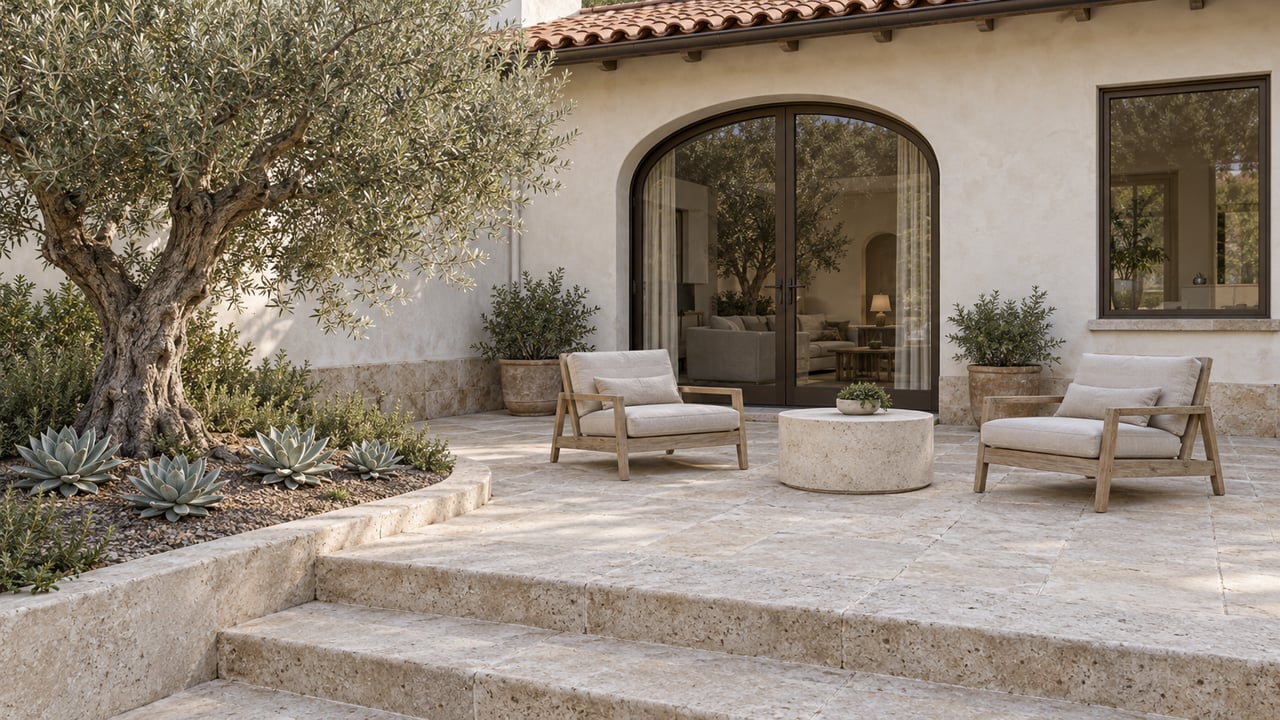
In the hills, you’ll see Mediterranean, Spanish Revival, transitional, and modern estates. Larger lots support single‑level floor plans, guest houses, and generous indoor‑outdoor living. If your wish list includes big views, privacy, and room for amenities, south‑of‑Ventura inventory is purpose‑built for it.
Outdoor living: pools, yards, and views
Flat vs. sloped yard realities
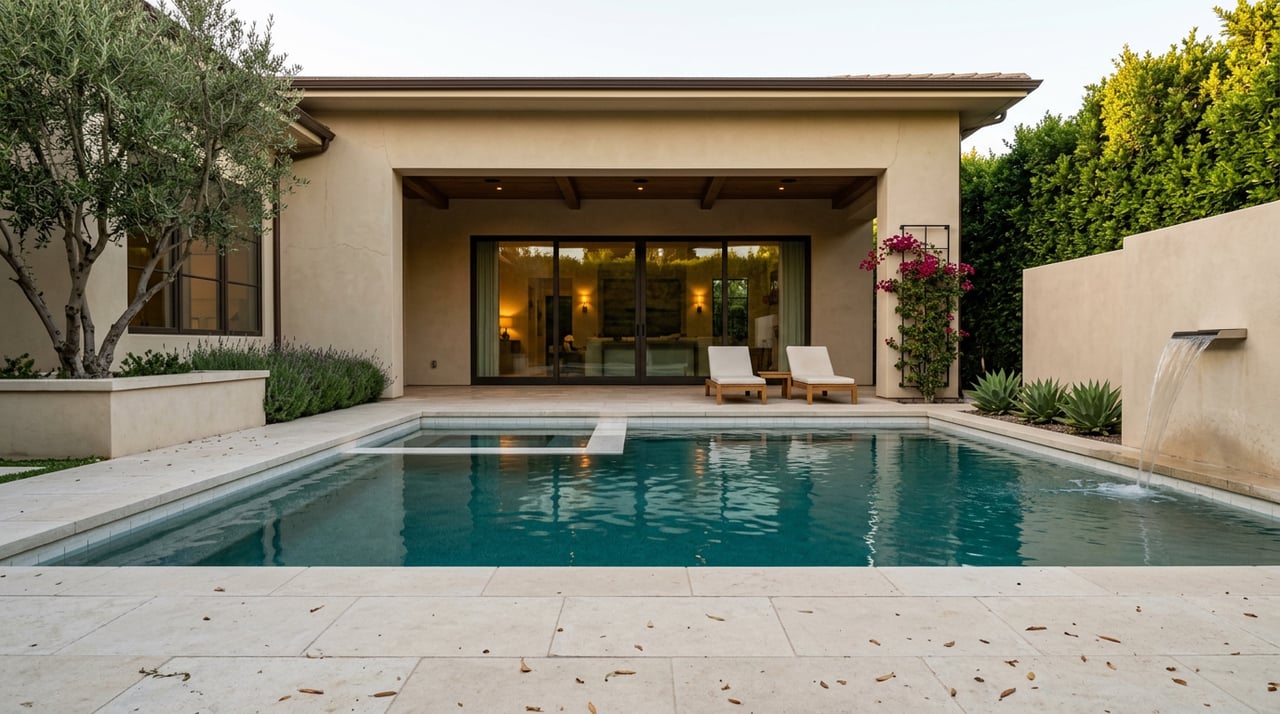
Flat lots are easier and less expensive for a standard pool and lounge area. In the hills, pools and large terraces are very achievable, but they often require engineered retaining walls, geotechnical reports, and grading permits. That adds time and cost. For a quick primer on hillside grading limits, see this overview of Los Angeles grading considerations.
Do pools add value?
In warm‑weather markets like the Valley, pools are a lifestyle feature and a common market differentiator. A 2025 analysis found homes with pools carried a notable listing‑price premium nationally, highlighting ongoing demand in sunbelt markets. Review the findings in this pool premium report summary, then measure the effect with local comps street by street.
Wildfire and insurance checks
Much of the southern hills includes hillside and higher‑fire‑risk terrain. Before you buy, check the property’s Fire Hazard Severity Zone designation using the State Fire Marshal’s FHSZ viewer. Your designation can influence defensible‑space requirements, mitigation steps, and insurance underwriting. Start early with your insurer if you are targeting hillside properties.
Price snapshot and what drives it
- Baseline medians: Recent data shows Tarzana’s neighborhood‑level median sale price around 1.206 million dollars as of January 2026, with the broader 91356 zip near 1.445 million dollars in the same period. Treat these as starting points, not price caps.
- Hillside estates: Gated hills and club‑adjacent pockets frequently sell in the multi‑million‑dollar range, with many sales from roughly 3 to 6 million dollars and above for larger or view‑driven properties.
- Flats: Prices vary widely by size and finish, with more accessible entry points than top‑of‑market hillsides and strong potential for value‑add renovations.
Key value drivers include lot size and usable flat outdoor space, panoramic views, guarded or gated access, adjacency to private clubs, and single‑level layouts. Traffic patterns and overall privacy also play a role. Compare true peers within micro‑neighborhoods for accurate pricing.
Is Tarzana Hills right for you?
- Choose the hills if you want privacy, larger lots, gated or club‑adjacent living, and room to build out amenities.
- Choose the flats if you want walkability to Ventura Boulevard, simpler renovations, and a more traditional neighborhood feel.
Buyer checklist for hillside estates
Use this quick list to reduce surprises during due diligence.
- Verify parcel, zoning, and overlays. Confirm lot size, hillside overlays, and other constraints with the City of Los Angeles ZIMAS map tool. Start at ZIMAS.
- Plan for hillside permits. Expect geotechnical reports and grading permits for major site work. Timelines and budgets increase on sloped lots. Review this overview of L.A. hillside grading rules.
- Check wildfire designations and insurance early. Use the FHSZ viewer and talk to your insurer about coverage, mitigation, and any required clearances.
- Understand access and parking. Narrow hillside streets, gated drives, and guest parking limits can affect daily life and vendor access. See the city’s hillside driveway and parking references.
- Budget for operating costs. Larger lots, pools, and elevated security can increase your monthly carry. If low‑maintenance living is a priority, target flatter lots or simpler landscapes.
- Review HOA rules in gated enclaves. Ask for CC&Rs, financials, board minutes, and any planned assessments early in escrow.
How we help you buy with confidence
You deserve clear guidance and a confident plan. We help you compare hillside vs. flat‑lot options, model realistic pool and site‑work timelines, and pinpoint what drives value on a specific street. Our team coordinates specialists, reads the micro‑market, and negotiates with discipline. When available, we also surface off‑market opportunities through our VIP network to give you an edge.
Ready to explore Tarzana Hills? Connect with Team Sorrentino to Book an Appointment. We will tailor a private tour plan and a data‑backed strategy for your goals.
FAQs
What separates Tarzana Hills from the flats?
- The hills sit south of Ventura Boulevard with larger, often more private lots and gated or club‑adjacent enclaves, while the flats north of Ventura offer smaller level lots and easier access to Ventura’s retail and dining.
Are pools feasible on hillside lots in Tarzana?
- Yes, but hillside pools typically require engineered retaining walls, grading permits, and geotechnical reports, which add time and cost compared to flat‑lot pools. See a primer on L.A. grading considerations.
How do wildfire maps affect buying in Tarzana Hills?
- Fire Hazard Severity Zone designations can influence mitigation rules, disclosures, and insurance underwriting. Check the FHSZ viewer and consult insurers early in your search.
Do views add a premium in Tarzana Hills?
- Often, yes. Valley, mountain, or city views can command a premium that varies by view quality, privacy, and lot usability. Use recent closed comps on the same ridge or street to size the effect accurately.
Is paying for a gated community in Tarzana worth it?
- If you prioritize controlled access, privacy, and community standards, gated enclaves can justify their premium, reflected in frequent multi‑million‑dollar sales. Factor in any HOA rules, dues, and staffing costs during due diligence.