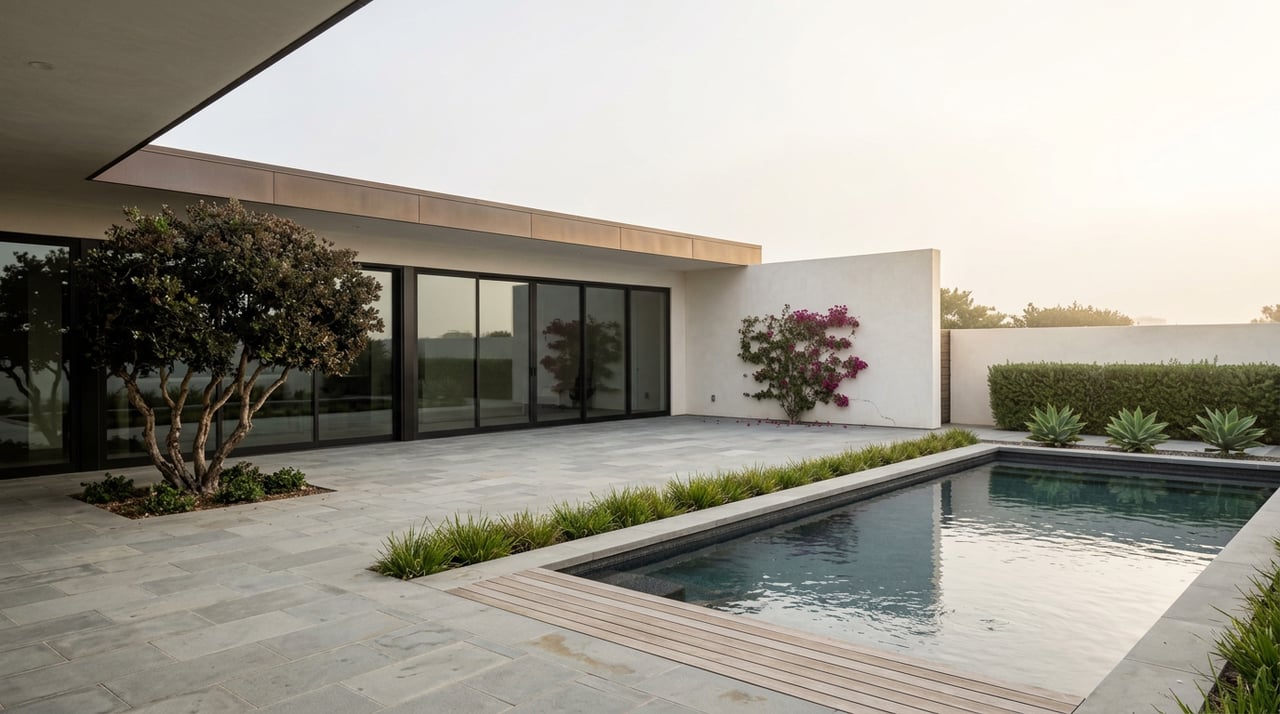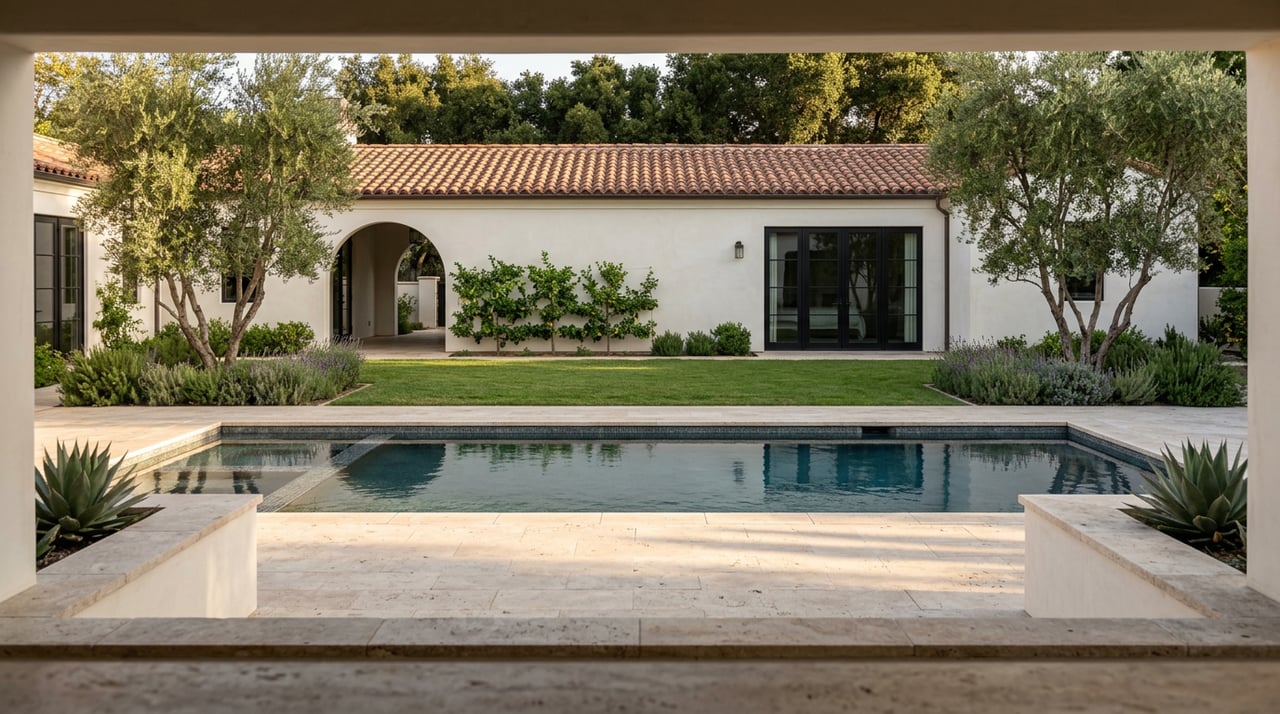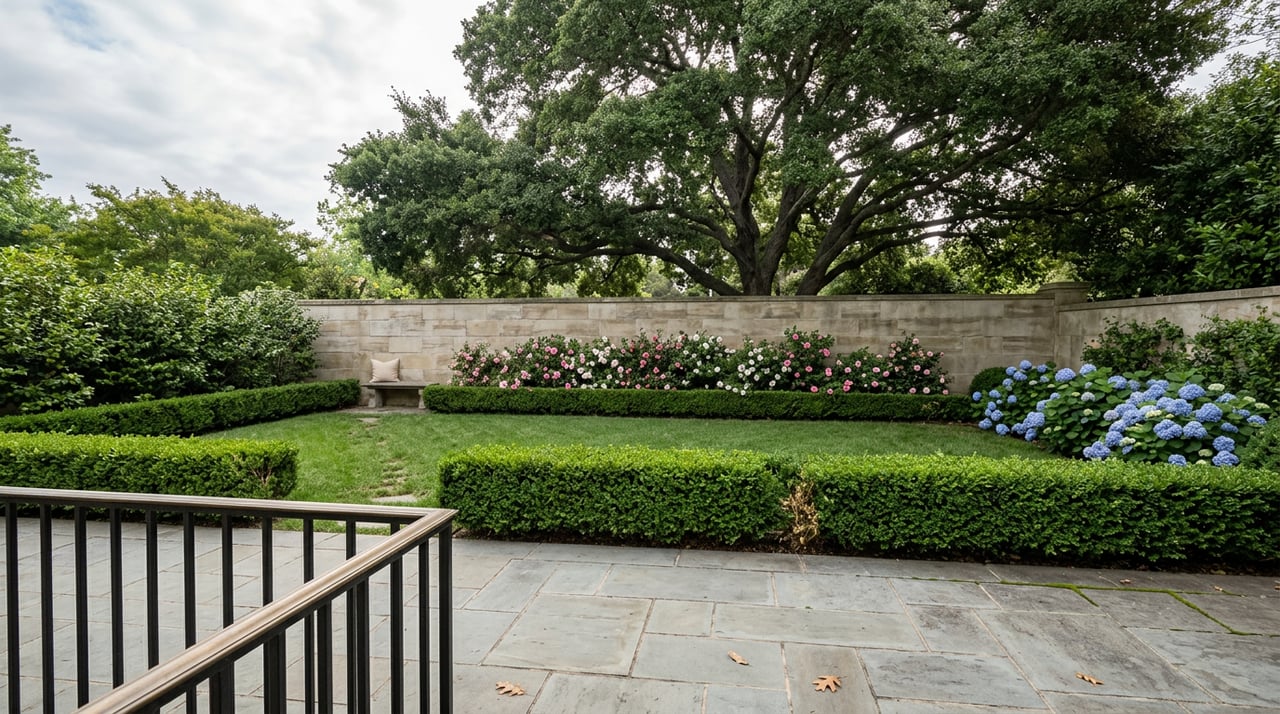
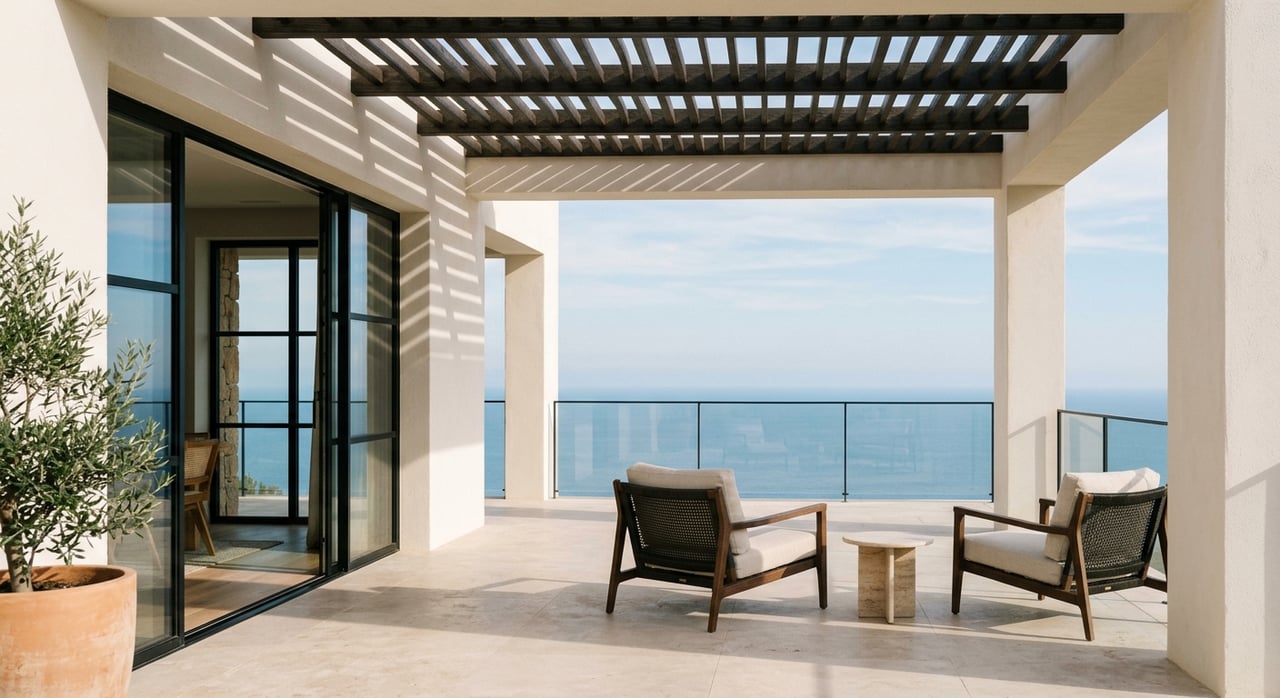
Dreaming about Malibu usually starts with one image: waves outside your window or sweeping ocean views from above. But when you buy a luxury home here, the real decision is often more practical than it first appears. If you are weighing beachfront versus hillside living in Malibu, this guide will help you compare lifestyle, pricing, risk, and long-term ownership considerations so you can make a smarter move. Let’s dive in.
Malibu Has Two Luxury Markets
Malibu is a narrow coastal city with 21 miles of coastline, but its luxury housing options generally split into two distinct settings. Along the coast, you will find beachfront and bluff-front homes near Pacific Coast Highway. Inland and north of PCH, you will find canyon, ridge, and hillside properties in areas the city describes through residential pockets such as Malibu Park, Point Dume, Corral, Latigo, Ramirez, Decker, and Carbon canyons.
That matters because you are not just choosing a home style. You are often choosing between a more public-facing coastal setting and a more rural, low-density hillside setting with different access, lot layouts, and ownership considerations. In Malibu, geography shapes the experience as much as architecture does.
Why Beachfront Appeals to Luxury Buyers
For many buyers, beachfront living is the Malibu dream at its most iconic. You get immediate proximity to the sand, powerful ocean views, and a daily connection to surf and shoreline that is hard to duplicate anywhere else.
Malibu’s coast also has numerous beach accessways, PCH undercrossings, and overlooks, which helps explain why this side of the market feels active and connected to the coastline. If your priority is easy beach use and a strong sense of place, beachfront often delivers that best.
Beachfront Lifestyle Advantages
A beachfront or bluff-front home may appeal to you if you want:
- Direct or near-direct beach access
- Strong water views from primary living areas
- A front-row coastal setting
- Convenient access to Malibu’s beach corridor
- A property defined by scarcity and frontage
The tradeoff is that beach-adjacent living can feel more visible. With public access points and activity along the coastal corridor, some homes experience more traffic, parking turnover, and day-to-day movement nearby than inland properties.
Why Hillside Homes Stand Out
If privacy, separation, and panoramic views matter more than stepping directly onto the sand, hillside living may be the better fit. Malibu’s housing element describes many north-of-PCH areas as rural residential and low density, which generally aligns with a more buffered and private ownership experience.
These homes often trade immediate beach access for distance, scale, and flexibility. Depending on the lot and location, you may find broader outdoor space, more visual separation from the coast, and a stronger sense of retreat.
Hillside Lifestyle Advantages
A hillside, canyon, or ridge home may work better for you if you want:
- More privacy from public activity
- Larger outdoor buffers
- Elevated panoramic views
- A lower-density residential setting
- Room for a more secluded compound feel
The tradeoff is convenience. Many hillside homes are more car-dependent, so details like driveway design, parking, and route access become especially important in your property search.
Beachfront vs Hillside at a Glance
| Factor | Beachfront or Bluff-Front | Hillside, Canyon, or Ridge |
|---|---|---|
| Lifestyle feel | Immediate coastal living | More secluded and residential |
| Access to beach | Usually strongest | Typically requires a drive |
| Privacy | Often more public-facing | Often more buffered |
| Views | Direct water views | Broad panoramic views |
| Setting | PCH-adjacent coastal corridor | Rural, low-density terrain |
| Daily logistics | Coastal activity nearby | More focus on roads and driveways |
| Key ownership concerns | Flood, erosion, corrosion | Wildfire, access, evacuation |
Pricing Often Reflects Scarcity
If you are comparing these two categories, pricing is likely to reinforce how different they are. According to Redfin’s Malibu housing market data, Malibu’s median sale price was $3.68 million in February 2026, with homes taking about 120 days to sell on average.
Within Malibu, micro-markets show a meaningful gap. Redfin reported Malibu Park at a $7.98 million median sale price, while Douglas Elliman’s September 2025 Malibu Beach micro-market report showed a $17.81 million median sales price and $4,643 per square foot for the beachfront market, as cited in the research report. These are different datasets and time periods, but they point in the same direction: direct coastal frontage commands a substantial premium.
Current listings tell a similar story. A Broad Beach beachfront estate listed at $17.975 million and a Latigo Canyon property listed at $5.25 million suggest that beachfront value is often driven by direct access and frontage, while hillside value depends more on views, lot usability, and privacy.
Ownership Costs Go Beyond Purchase Price
Luxury buyers in Malibu usually know to look beyond price per square foot. The smarter question is what the property may cost you to maintain, protect, insure, and improve over time.
That is where the beachfront versus hillside choice becomes more strategic. Each setting comes with a different risk profile, and those differences can affect both day-to-day ownership and long-term value.
Beachfront Risks to Review First
For beachfront homes, underwriting should start with coastal hazards. Malibu’s Coastal Vulnerability Assessment focuses on projected sea-level rise, tidal inundation, storm flooding, and coastal erosion, and the city also participates in FEMA’s floodplain program.
The city notes that development in mapped flood zones may require FEMA-compliant design and, in some cases, an elevation certificate. If you are buying near the shoreline, flood exposure is not a side issue. It should be part of your review from the beginning.
Salt Air and Corrosion Matter
Beachfront ownership also means more exposure to salt air. FEMA notes that salt spray and onshore winds can accelerate corrosion of coastal building materials, especially in oceanfront and nearshore buildings.
In practical terms, that can affect exterior hardware, railings, connectors, windows, and finish schedules. For a luxury home, this is not only a maintenance issue. It is part of how you protect value and preserve the condition of the property.
Some Coastal Areas Have Ongoing Assessments
Certain premium coastal addresses may also come with neighborhood-specific geologic obligations. The Malibu Road Landslide Assessment District serves about 38 properties and includes dewatering wells, monitoring, and annual geology reports. Big Rock Mesa has a similar maintenance district covering about 327 properties.
That does not mean these locations should be avoided. It means you should understand any ongoing site-management costs and monitoring obligations before you commit.
Hillside Risks Need Equal Attention
Hillside homes shift the risk profile. Instead of flood and corrosion leading the conversation, wildfire readiness and evacuation planning become central.
Malibu states that the city is in a High Fire Severity Zone and urges residents to know their MAL-C111 through MAL-C114 evacuation zones and plan multiple escape routes ahead of time. The city also emphasizes that flying embers are a major cause of home ignition during wildfires.
For hillside buyers, that makes route access, driveway clearance, defensible space planning, and emergency logistics important parts of due diligence. A spectacular view is only one part of the ownership equation.
Permitting Affects Both Choices
Whether you buy at the beach or above it, Malibu permitting deserves careful attention. The entire city is inside the California Coastal Zone, and the Local Coastal Program governs development.
This can affect remodels, additions, utility work, and even a new onsite wastewater treatment system. In other words, if part of your plan is to renovate, expand, or customize the property, you should review likely permit requirements early rather than assuming the process will be simple.
Questions to Ask Before You Buy
No matter which side of Malibu fits your lifestyle, a disciplined review process can save you time and money. These are some of the most important questions to ask during your search:
- Is the property in a FEMA flood zone or an area affected by coastal vulnerability mapping?
- Is the parcel in or near a landslide maintenance district or monitored geologic area?
- What evacuation zone applies to the property, and how many realistic exit routes are available?
- Could a remodel, addition, or wastewater update trigger a Coastal Development Permit?
- How much ongoing maintenance may be needed for corrosion protection, wildfire hardening, or slope management?
These questions help you compare homes on a true ownership basis, not just on appearance alone.
Which Malibu Luxury Home Fits You Best
If you want the strongest connection to sand, surf, and direct shoreline living, beachfront may be worth the premium. If you value privacy, separation, and a more retreat-like setting, a hillside property may offer a better long-term fit.
The right answer often comes down to how you want to live day to day. Do you want to live on the edge of the coast, or above it? Once you answer that honestly, the search tends to become much clearer.
Buying in Malibu requires more than taste. It takes preparation, careful due diligence, and a clear strategy around lifestyle, risk, and long-term value. If you are considering a luxury purchase in Malibu, Team Sorrentino can help you evaluate the tradeoffs, identify the right fit, and move forward with confidence.
FAQs
What is the main difference between beachfront and hillside luxury homes in Malibu?
- Beachfront homes usually offer more direct ocean access and a more active coastal setting, while hillside homes often offer more privacy, separation, and panoramic views.
What should luxury buyers review before buying a beachfront home in Malibu?
- You should review flood-zone status, coastal vulnerability, erosion exposure, salt-air maintenance needs, and any neighborhood assessment or geologic monitoring obligations.
What should luxury buyers review before buying a hillside home in Malibu?
- You should review wildfire exposure, evacuation zones, route access, driveway usability, parking, and any slope or site-management considerations.
Do remodels in Malibu require special permits for luxury homes?
- Yes. Because Malibu is entirely within the California Coastal Zone, remodels, additions, and some utility or wastewater changes may require coastal review or a Coastal Development Permit.
Are beachfront homes in Malibu more expensive than hillside homes?
- Recent market snapshots in the research report show beachfront inventory commanding a substantial premium, with beachfront median pricing well above broader Malibu and Malibu Park figures.
How can buyers decide between beachfront and hillside living in Malibu?
- The best starting point is your day-to-day lifestyle: whether you prefer direct beach access and shoreline living or a more private, elevated setting with greater separation from the coast.