If you are thinking about living in Venice, you are probably wondering whether it feels like a laid-back beach town, a busy city neighborhood, or something in between. The truth is that Venice blends all three, which is exactly why so many buyers are drawn to it. From the energy of the boardwalk to the quieter feel of the canals and walk streets, daily life here can change block by block. Let’s take a closer look at what it is really like to live in Venice.
Venice Has a Distinct Coastal Identity
Venice is one of Los Angeles’ most recognizable coastal neighborhoods, but living here is different from simply visiting for the day. According to the City of Los Angeles Venice Community Plan, the neighborhood stretches along the Pacific Ocean, bordered by Santa Monica to the north and extending east toward areas like Walgrove, Beethoven, and Del Rey. That location gives Venice a true coastal feel while still keeping you connected to the larger Westside.
What stands out most is that Venice does not have one single personality. The same community plan describes Venice Beach and the Boardwalk as defining features of the area, while also pointing to Abbot Kinney as an arts-oriented commercial corridor and noting the smaller-scale, local-serving feel of much of its retail activity. In practical terms, that means your day-to-day experience can feel lively, creative, walkable, and distinctly local.
Beach Life Is Part of Everyday Living
In Venice, the beach is not just a weekend destination. It is part of the neighborhood’s rhythm. The Los Angeles Department of Recreation and Parks says the Venice Beach Boardwalk is the busiest facility it operates, drawing about 28,000 to 30,000 daily visitors and more than 10 million each year.
That level of activity helps explain what living nearby feels like. The boardwalk stretches more than two miles and includes vendors, street performers, Muscle Beach, a skate park, a fishing pier, bike paths, and play areas. If you live in Venice, you are not moving next to a sleepy shoreline. You are choosing a neighborhood where the coast is active, visible, and woven into daily life.
For some buyers, that energy is a major draw. Morning walks, bike rides, and quick access to the sand can become part of your weekly routine. For others, it is important to know that beach access also comes with crowds, especially in peak visitor periods.
Venice Changes Block by Block
One of the most important things to understand about Venice is that it is not uniform. According to the community plan, Venice includes a range of subareas such as the Venice Canals, Oxford Triangle, Marina Peninsula, Silver Strand, North Venice, and Oakwood-Millwood-Southeast Venice. Each one contributes to a different living experience.
That variation is part of what makes Venice appealing. One area may feel centered on foot traffic and nearby dining, while another may feel more residential and tucked away. Buyers often find that the lifestyle fit depends less on Venice as a whole and more on the specific pocket they choose.
The Boardwalk Core Feels Lively
If you live close to Venice Beach and Ocean Front Walk, you are close to the neighborhood’s most active public spaces. This part of Venice tends to feel energetic and highly visible, with a steady flow of visitors and activity tied to the coast. For buyers who want immediate access to the beach and a strong street-life atmosphere, this can be a real advantage.
The Canals Feel Quieter
The Venice Canals offer a very different pace. Discover Los Angeles notes that the canals were dug in 1905 and can be explored on foot or by bike. That pedestrian-friendly design helps create a calmer and more residential feel than the boardwalk area.
Abbot Kinney Feels Social and Connected
Abbot Kinney is widely seen as the neighborhood’s central dining, shopping, and nightlife street. Discover Los Angeles describes Abbot Kinney as a local gathering place with boutiques, cafes, restaurants, galleries, wine shops, and nightlife. If you enjoy being able to walk to dinner, coffee, or casual evening plans, this corridor is a major part of Venice living.
Walkability Is a Real Advantage
For many buyers, Venice stands out because it supports a more walkable and bike-friendly lifestyle than many Los Angeles neighborhoods. Walk Score rates Venice at 83 for walkability, ranks it the 15th most walkable neighborhood in Los Angeles, and gives it a bike score of 88. It also notes that most errands can be done on foot.
That matters in everyday life. Walk Score lists about 281 restaurants, bars, and coffee shops in Venice, and says residents can walk to about six of them within five minutes. If you are looking for a neighborhood where grabbing coffee, meeting friends, or running a quick errand does not always require a car, Venice offers that convenience.
Still, it is important to view walkability with some nuance. Venice works especially well as a car-light neighborhood in the beach, canal, and Abbot Kinney core. Depending on your commute or how often you travel across Los Angeles, a car may still play a practical role.
Getting Around Venice Is Easier in Some Areas
Venice supports biking and transit better than many people expect. The Metro Bike Share Venice and Abbot Kinney guide highlights stations at Venice and Lincoln and along Abbot Kinney, while Metro and LADOT improvements on Venice Boulevard added upgraded crosswalks, parking-protected bike lanes, and a 24-hour dedicated bus lane.
Those upgrades help support daily mobility, especially if you are staying local. Metro also reported that the Venice Boulevard corridor averages about 20,000 Line 33 boardings a day, with 8,000 boardings or departures in the project area. That kind of infrastructure can make short trips and neighborhood access easier.
At the same time, Venice is not car-free. The city’s community plan points to congestion caused by through-traffic and beach visitors, along with parking shortages during peak tourism. Lincoln Boulevard is also described as a more auto-oriented strip, which reinforces the idea that some parts of Venice feel more pedestrian-focused than others.
Homes in Venice Offer Variety
Venice appeals to buyers who do not want a one-note housing stock. The Venice Community Plan describes a broad mix of single-family homes, multi-family buildings, mixed-use properties, and live/work artist spaces. It also notes that there are few large vacant parcels, so change tends to happen through remodels, rebuilds, and smaller infill projects rather than large new subdivisions.
That pattern shapes the look and feel of the neighborhood. You may see a historic home on one block and a striking contemporary build nearby. For buyers, that means Venice can offer both character and architectural contrast.
Architecture Feels Eclectic
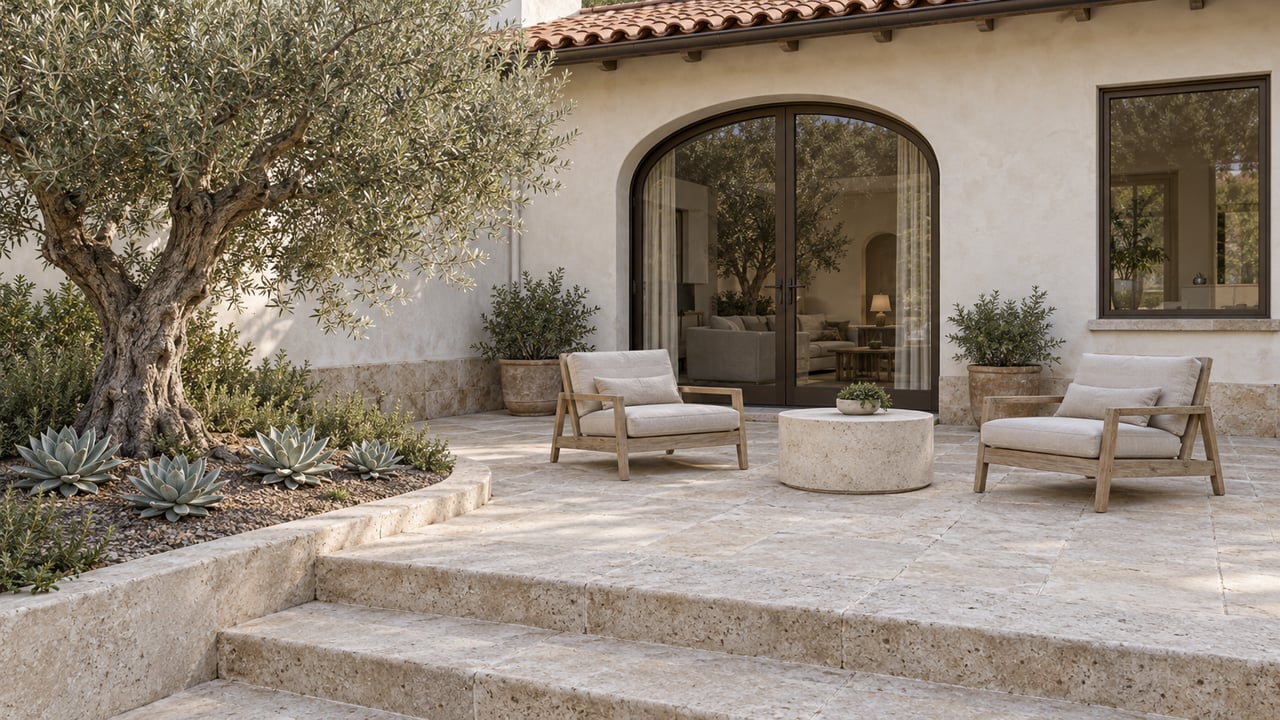
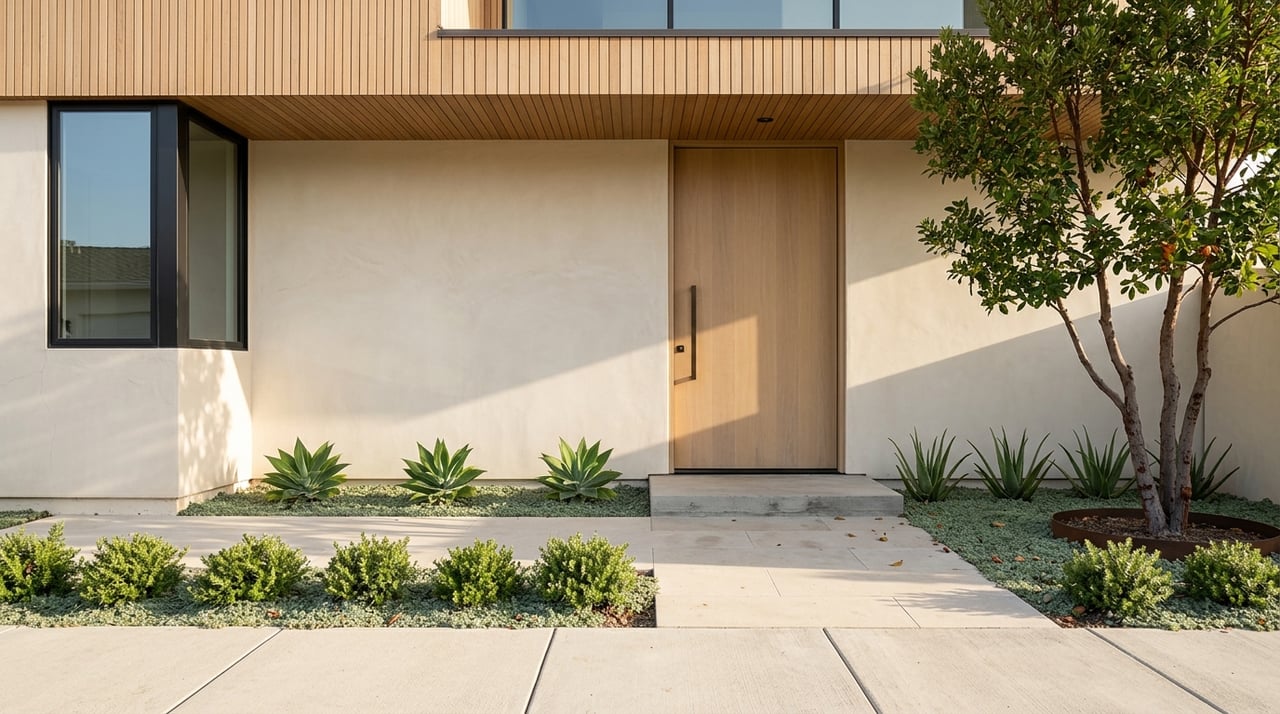
Architecturally, Venice includes historic and modern influences side by side. A Venice historic-district report identifies styles such as Craftsman and Spanish Colonial Revival, while the research report notes that modern rebuilds and custom contemporary homes are also common in the area.
That mix is part of the appeal. Some buyers are drawn to restored charm and original details, while others want newer design, open layouts, and a more modern indoor-outdoor feel. In Venice, both preferences can exist within the same broader neighborhood.
Location Affects Feel
The city plan notes that lower-density pockets appear east of Lincoln and in parts of the canals, while denser multi-family development is more common closer to the coast and Marina Peninsula. That helps explain why one home search in Venice can feel peaceful and residential, while another feels more urban and active.
This is one reason neighborhood guidance matters here. In Venice, the right fit often comes down to how close you want to be to the sand, restaurants, and main commercial corridors versus how much privacy or quiet you want on a daily basis.
The Lifestyle Comes With Tradeoffs
Venice offers a lifestyle that many buyers actively seek: beach access, walkability, local businesses, and an unmistakable creative atmosphere. But it also comes with the realities of a high-traffic coastal neighborhood. Crowds, parking pressure, and congestion are all part of the equation, particularly near the beach and during busy visitor periods.
That does not make Venice less appealing. It simply means the best Venice experience depends on choosing the right micro-location for your priorities. Some buyers want to be near the center of activity, while others prefer a quieter pocket that still offers easy access to the neighborhood’s amenities.
Venice Market Snapshot
If you are considering a purchase, pricing is an important part of the picture. As of March 2026, Redfin reports a median sale price of $1,887,500 in Venice, with homes selling in about 82 days and a sale-to-list ratio of 97.2%. Redfin classifies the market as somewhat competitive.
That data reflects a neighborhood with strong lifestyle appeal and a limited land supply. Because Venice has few large vacant parcels, inventory changes often come from renovations, rebuilds, and smaller-scale redevelopment rather than broad expansion. For buyers, that can mean each property deserves careful evaluation, not just by price, but by block, setting, and long-term fit.
Who Venice May Suit Best
Venice tends to appeal most to buyers who value coastal access, walkability, independent dining and retail, and a neighborhood with a strong sense of place. It can be a compelling option if you want a home base that feels connected to the beach and active public life, while still offering pockets of relative calm depending on where you land.
It may be less ideal if your top priority is a consistently quiet, low-traffic environment across the entire neighborhood. Venice is better understood as a collection of distinct pockets than a single lifestyle category. Once you approach it that way, the neighborhood becomes much easier to evaluate.
If you are weighing whether Venice fits your lifestyle, the key is to look beyond the name and focus on the specific streets, housing type, and day-to-day rhythm that match your goals. If you want experienced guidance on buying or selling in Venice and other key Los Angeles neighborhoods, connect with Team Sorrentino for a polished, high-touch real estate experience.
FAQs
What is daily life like in Venice, Los Angeles?
- Daily life in Venice can feel active, walkable, and beach-centered, with the experience varying by area from the lively boardwalk core to quieter residential pockets like the canals.
Is Venice, Los Angeles walkable for everyday errands?
- Yes. Walk Score rates Venice 83 for walkability and says most errands can be accomplished on foot, especially in the beach, canals, and Abbot Kinney areas.
What is traffic and parking like in Venice, Los Angeles?
- Venice can experience congestion from through-traffic and beach visitors, and the city’s community plan notes that parking can be limited during peak tourism periods.
What types of homes are found in Venice, Los Angeles?
- Venice has a broad housing mix that includes single-family homes, multi-family buildings, mixed-use properties, and live/work spaces, with styles ranging from Craftsman and Spanish Colonial Revival to modern rebuilds.
Is Venice, Los Angeles a good fit for buyers who want beach access?
- Venice may be a strong fit if you prioritize close access to the beach, bike paths, walkability, and local dining and retail, and you are comfortable with a more active urban-coastal setting.