Choosing between Sherman Oaks and Encino is less about picking a "better" neighborhood and more about finding the right fit for how you want to live. If you are weighing commute patterns, home styles, lot feel, and day-to-day convenience, the differences can feel subtle until you look closer. This guide breaks down what sets these two Valley neighborhoods apart so you can narrow your search with more confidence. Let’s dive in.
Sherman Oaks vs. Encino at a Glance
Sherman Oaks and Encino share the same broader Valley market, but they do not feel identical on the ground. According to City of Los Angeles planning documents, the biggest difference is land use and development pattern, not a sharp neighborhood boundary.
In Sherman Oaks, Ventura Boulevard is a major mixed commercial corridor with low- and high-rise office and retail uses. Most single-family homes are south of Ventura in hillside areas, while many multifamily properties sit north of Ventura along major streets. In Encino, south of Ventura includes larger estate-size single-family lots, while north of Ventura includes a mix of single-family homes and higher-density housing between Ventura Boulevard and the 101.
Housing Feel and Home Styles
Sherman Oaks feels more compact
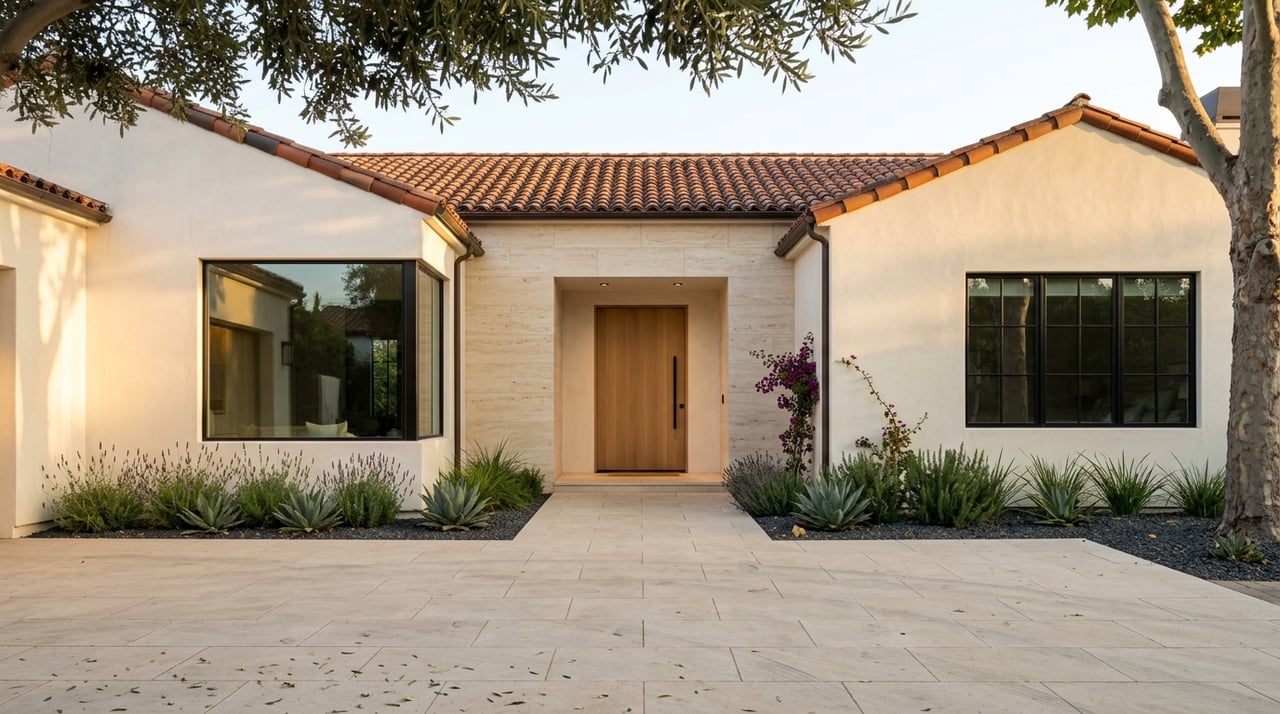
If you want a neighborhood with a more mixed housing profile, Sherman Oaks often stands out. Current market pages show a blend of condos, townhomes, and detached homes, which supports the idea that Sherman Oaks offers a more compact and varied housing mix.
That mix can appeal if you want options across different property types while staying close to major shopping and dining corridors. It can also be a practical fit if you like a stronger connection between residential streets and everyday conveniences.
Encino leans more estate-oriented
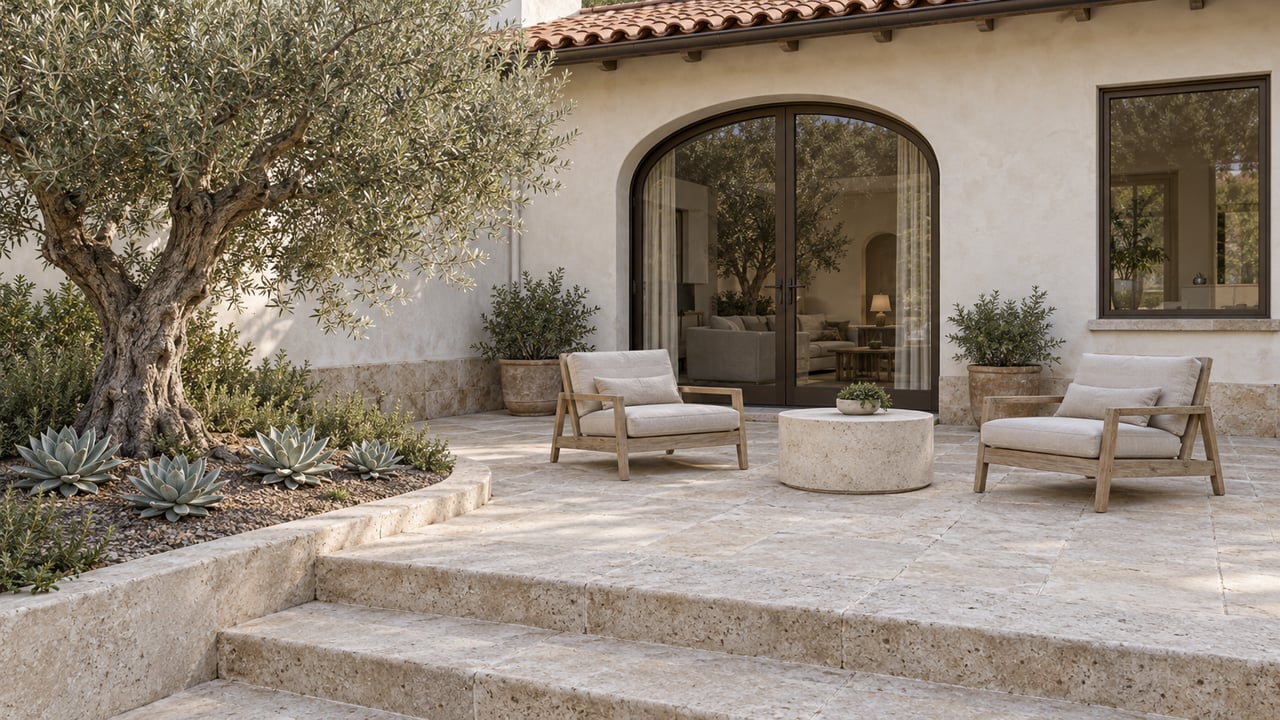
Encino also offers a mix of housing types, but its planning framework points to a more estate-oriented feel overall. South of Ventura, city planning documents describe larger estate-size single-family lots, which is often the key draw for buyers looking for more land and a quieter residential setting.
A helpful local distinction is that Encino has a stronger east-west split than many buyers expect. The city describes the area east of the 405 to Balboa as more regional-center in character, with high-rise buildings and specialty shops and restaurants, while areas farther west become more strip-center oriented.
Price Context in Sherman Oaks and Encino
Pricing is only one part of the decision, but it does help frame expectations. In May 2026, Redfin reported a median sale price of $1,345,547 in Sherman Oaks and $1,699,428 in Encino.
Zillow’s home value data adds another layer of context. Sherman Oaks had an average home value of $1,373,520, while Encino was at $1,461,748 as of late April 2026. Taken together, those figures suggest Encino generally trends higher, especially if your search is focused on larger single-family properties.
Ventura Boulevard Changes the Search
North of Ventura usually means more density
In both neighborhoods, Ventura Boulevard acts like a practical dividing line. North of Ventura, you will generally find more density, more mixed-use surroundings, and easier access to commercial corridors.
That can be a strong advantage if you value convenience and want to stay close to shops, services, and major streets. It can also open up more condo and townhome options depending on your goals.
South of Ventura usually means more privacy
South of Ventura, the feel often shifts toward a more residential setting. In Sherman Oaks, that often means hillside single-family living. In Encino, it more often points buyers toward larger-lot, estate-style pockets.
A simple way to think about it is this: if you want more privacy, larger yards, and a quieter feel, south-of-Ventura areas in both neighborhoods deserve extra attention. Still, block-by-block differences matter, especially in Los Angeles.
Commute and Circulation Differences
Both Sherman Oaks and Encino are still fundamentally car-oriented neighborhoods. The difference is in how that car-first lifestyle plays out.
Sherman Oaks is served by the Hollywood, Ventura, and 101 freeways, with major streets including Ventura, Cahuenga, Van Nuys, and Sepulveda. Encino is served by the 101 and 405, with Ventura, White Oak, Balboa, and Sepulveda shaping local circulation.
Sherman Oaks is more corridor-connected
Sherman Oaks tends to feel more closely tied to the Ventura and Sepulveda commercial corridor. If your routine includes regular stops for dining, errands, or meetings along those streets, that tighter connection can be a real advantage.
Metro service reflects that pattern too. Line 234 serves Sherman Oaks via Sepulveda, and Metro has also added 5.6 miles of bus priority lanes on Sepulveda Boulevard, including a Sherman Oaks and Van Nuys segment plus a westbound Ventura lane between Vesper and Sepulveda to improve bus speed and reliability.
Encino feels more spread out
Encino tends to feel a little more spread out and freeway-oriented. For some buyers, that is a positive because it can align with the larger-lot, quieter residential feel they want.
Metro Line 237 serves Encino via White Oak, Woodley, and Chandler. If your daily routine depends more on freeway access and a broader residential footprint than on a tighter retail corridor, Encino may feel like the better match.
Lifestyle: Convenience vs. Open Space
Sherman Oaks offers denser retail access
If convenience is high on your list, Sherman Oaks has a strong case. The Sherman Oaks Galleria at Ventura and Sepulveda combines office, retail, dining, movie, and fitness uses, and Westfield Fashion Square serves as another neighborhood shopping destination with a range of stores and services.
This concentration gives Sherman Oaks a denser everyday amenity profile. For buyers who want a more walkable-when-possible lifestyle, that can be a major plus.
Encino leans toward open-space access
Encino’s lifestyle profile puts more weight on open space and historic character. Los Encinos State Historic Park is a five-acre early California rancho site with the de la Osa Adobe and other historic structures.
The Encino-Tarzana Community Plan also identifies the Sepulveda Basin Recreation Area as a major open-space asset within the community. If you picture your weekends with more room to unwind and less emphasis on a busy retail corridor, Encino may line up better with that lifestyle.
Which Neighborhood Fits Your Priorities?
For many buyers, this decision comes down to daily rhythm. Sherman Oaks often suits buyers who want a more compact neighborhood feel, stronger retail concentration, and easier access to key corridors like Ventura and Sepulveda.
Encino often suits buyers who want a larger-lot feel, more privacy, and closer alignment with open-space amenities. It is not a question of one being better than the other. It is a matter of whether you want corridor convenience or estate-scale calm.
A Simple Way to Narrow Your Search
If you are deciding between Sherman Oaks and Encino, start by ranking these priorities:
- Property type: condo, townhome, or detached home
- Lot feel: compact, hillside, or estate-scale
- Daily routine: errands and dining nearby, or quieter residential surroundings
- Commute pattern: corridor access or freeway access
- Lifestyle preference: retail convenience or open-space appeal
Once you know which of those matter most, the map becomes much clearer. In both neighborhoods, the biggest differences often show up not just from east to west, but from north of Ventura to south of Ventura.
If you want a tailored read on which streets, pockets, and property types best match your goals in Sherman Oaks or Encino, Team Sorrentino offers discreet, high-touch guidance for buyers who want to move with clarity.
FAQs
What is the main difference between Sherman Oaks and Encino?
- The biggest difference is development pattern. Sherman Oaks tends to feel more compact and corridor-connected, while Encino often feels more estate-oriented and spread out.
Is Sherman Oaks or Encino more expensive?
- Based on the research provided, Encino had the higher May 2026 median sale price at $1,699,428 compared with $1,345,547 in Sherman Oaks.
Does south of Ventura matter in Sherman Oaks and Encino?
- Yes. In both neighborhoods, south of Ventura generally points to a more residential feel, with Sherman Oaks leaning hillside and Encino more often associated with larger estate-size lots.
Which neighborhood has more shopping and dining convenience?
- Sherman Oaks has the denser retail and dining cluster, especially around Ventura Boulevard and Sepulveda, including destinations like the Sherman Oaks Galleria and Westfield Fashion Square.
Which neighborhood offers better access to open space?
- Encino stands out for open-space and historic assets, including Los Encinos State Historic Park and access to the Sepulveda Basin Recreation Area.
Is Sherman Oaks or Encino better for commuting?
- Both are largely car-oriented, but Sherman Oaks is more tightly tied to the Ventura and Sepulveda corridor, while Encino tends to feel more freeway-oriented and spread out.